



For many students in India today, choosing a university is no longer only about degrees or rankings. They are looking for classrooms that allow discussion, teachers who encourage questions, and peers who come from different backgrounds. Exposure to new ideas and experiences now matters as much as formal course content. In cities like Delhi, where higher education options are many, students increasingly want spaces that reflect the world they will step into after graduation.
For many students in India today, choosing a university is no longer only about degrees or rankings. They are looking for classrooms that allow discussion, teachers who encourage questions, and peers who come from different backgrounds. Exposure to new ideas and experiences now matters as much as formal course content. In cities like Delhi, where higher education options are many, students increasingly want spaces that reflect the world they will step into after graduation.
This change in expectations is visible across campuses in the capital. Students want education that goes beyond textbooks and combines different ways of learning. They expect to deal with real-world issues—social, economic, technological, and political—rather than study subjects in isolation. Universities, in turn, are being pushed to rethink how learning happens inside and outside the classroom.
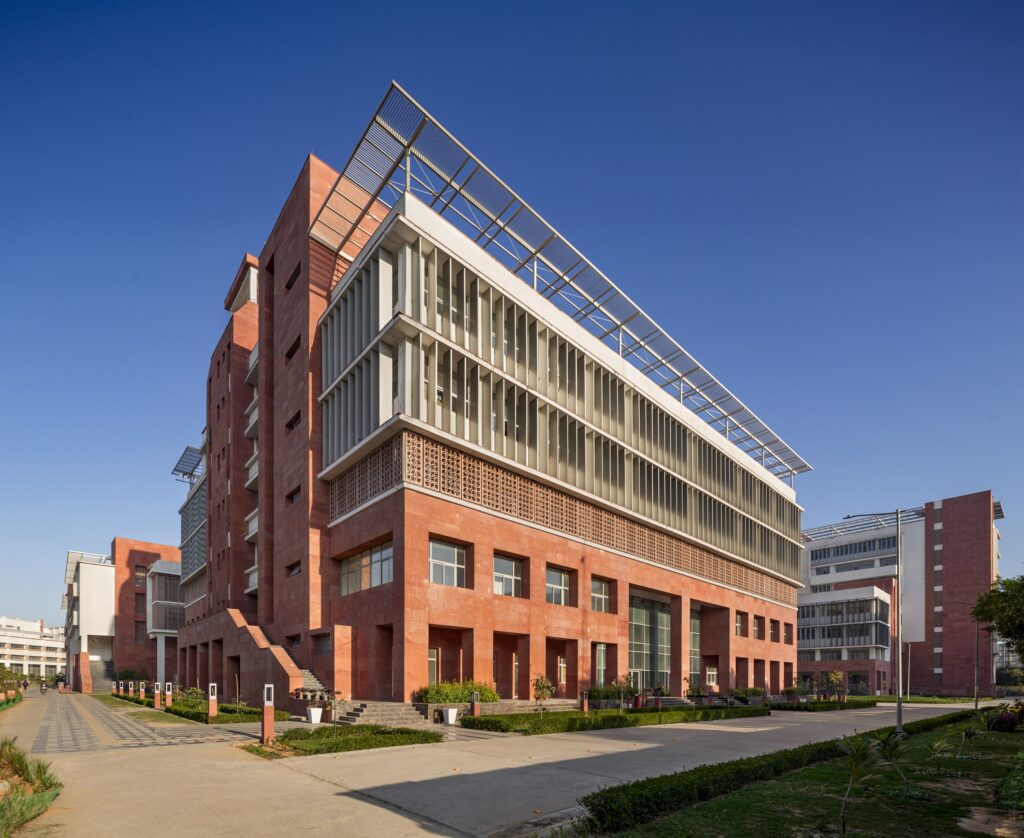
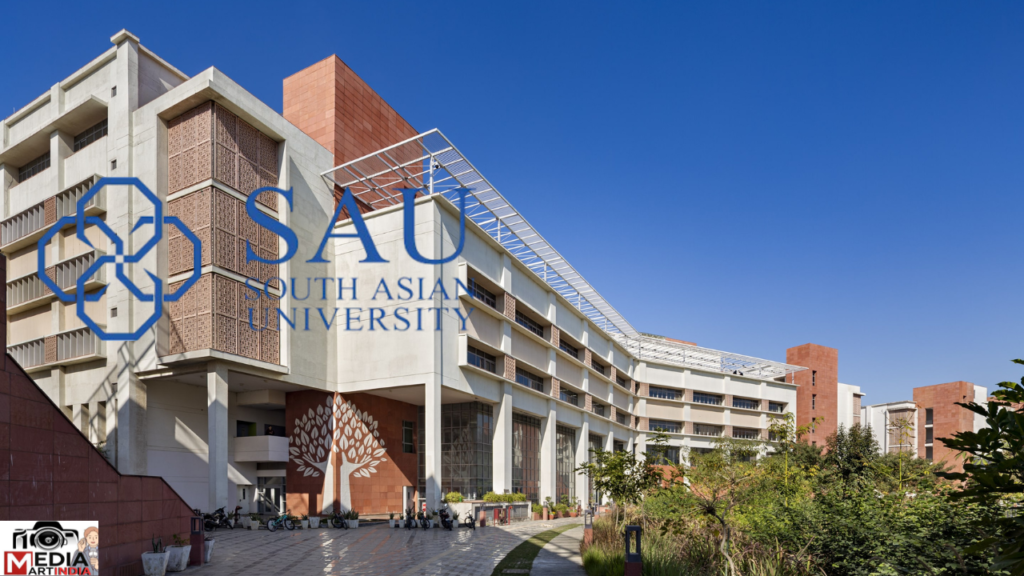
It is within this larger shift that South Asian University (SAU), located in Delhi, finds its place. Set up as a International University by the Governments of the SAARC Nations, SAU brings together students from across South Asia. On campus, this regional mix is not just a formal idea but part of daily life. Students from different countries live, study, and work together, often encountering education systems and social realities very different from their own.
Classroom discussions frequently reflect this diversity. A debate on development, governance, or public policy can sound very different depending on where a student comes from. These differences are not always easy to manage, but they force students to listen more carefully and rethink assumptions shaped by national context. Over time, students say they become more aware of the region as a shared space, not just a collection of separate countries.
Alongside regional diversity, the university also reflects strong subject diversity. SAU offers programmes across economics, sociology, international relations, law, management, biotechnology, engineering, computer science, and mathematics. Students often arrive with very different kinds of academic training—some from technical backgrounds, others from social sciences or interdisciplinary streams.

These differences are visible in everyday academic life. Engineering and computer science students spend long hours in labs, while sociology and international relations students engage deeply with texts and discussions. Mathematics students focus on theory, while management students work with case studies. Though disciplines follow their own paths, they often meet in shared spaces like libraries, hostels, and study groups, where informal learning takes place.
This mix encourages students to step outside their comfort zones. Technical students are exposed to policy and social debates, while social science students gain familiarity with data, technology, and quantitative methods. The learning does not always happen smoothly, but it often happens beyond the classroom, through conversation and collaboration.
As students across India continue to look for education that is flexible, relevant, and connected to real life, campuses like South Asian University point to one possible direction. By bringing together regional perspectives first, and then allowing different disciplines to interact, the university mirrors what many students now seek from higher education.
Students are looking for spaces that help them learn in more than one way. In the heart of the capital, that search increasingly leads to campuses where both regional and academic diversity are part of everyday learning—not as a slogan, but as a lived experience.