




As climate risks intensify, the focus must shift toward coordinated, system level action that connects mitigation, adaptation and development. Embedding climate thinking into business strategy, public policy and local decision making, supported by collaboration across stakeholders, will be critical.
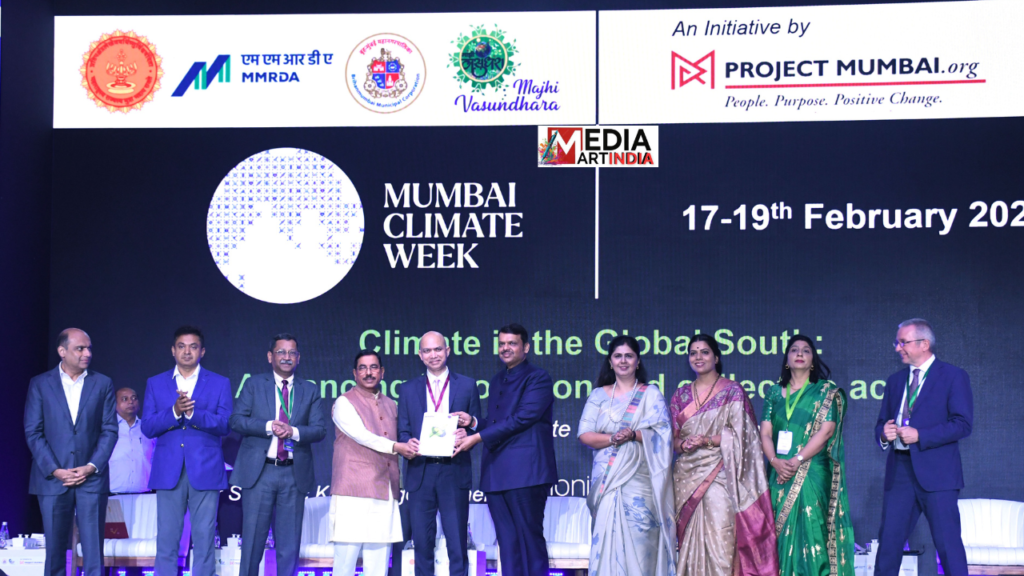
At Mumbai Climate Week 2026, Monitor Deloitte unveiled its thought paper, Climate in the Global South: Advancing innovation and collective action, which examines how climate risks and opportunities are increasingly concentrated in the Global South, a region that will drive much of the world’s economic and demographic growth in the coming decades. While historically contributing the least to global emissions, the Global South is now central to the global climate transition, facing disproportionate climate vulnerability alongside rising demand for food, energy and urban infrastructure. The report explores how embedding climate resilience into growth can unlock equitable, sustainable outcomes through innovation and collective action.
“In the Global South, climate action is closely linked to everyday development, from farming and city planning to energy access. We are seeing that solutions are most effective when they are designed for local needs, are financially viable and possibly can grow through strong partnerships. Building resilience in this way can help protect livelihoods today while supporting more inclusive and sustainable growth in the future,”said Ashwin Jacob, Partner and Leader, Monitor Deloitte South Asia.

The report explores climate risks and opportunities across three central themes.
Strengthening food systems for sustainability and security
Agriculture in the Global South faces growing stress from water shortages, productivity challenges and limited access to markets. The report points to emerging solutions such as climate resilient cultivation practices, local processing models and community led financing that can improve farm productivity, reduce losses and strengthen farmer incomes. These approaches show how technology, local participation and innovative delivery can enable scalable and economically viable food systems resilience.
Improving urban resilience in a warming world
Rapid urban growth is increasing exposure to extreme heat and related productivity losses, making climate responsive city planning more important than ever. Community cooling initiatives, improved infrastructure planning and energy efficient building design are highlighted as practical ways to protect health, maintain economic activity and improve quality of life in cities. These measures demonstrate how adaptation focused investments can create both social and economic value.
Advancing an inclusive energy transition
Rising development needs are driving higher demand for energy across emerging economies, increasing the urgency of expanding clean and reliable power. The paper highlights decentralised renewable energy systems, collaborative industrial decarbonisation efforts and partnership driven models that improve electricity access while supporting low carbon growth. These examples show the importance of aligning climate ambition with development priorities to ensure fair and inclusive outcomes.
Way-forward
As climate risks intensify, the focus must shift toward coordinated, system level action that connects mitigation, adaptation and development. Embedding climate thinking into business strategy, public policy and local decision making, supported by collaboration across stakeholders, will be critical. The Global South holds a major share of the world’s working population, energy resources and industrial activity, placing it at the centre of future global growth and climate action. As urbanisation, agricultural demand and energy use continue to rise, building resilience into development decisions is essential to limit growing social and economic barriers.