



Mental health trends from Mpower, an initiative of the Aditya Birla Education Trust led by its Founder and Chairperson, Mrs. Neerja Birla, people are seeking support for a range of concerns linked to low mood, emotional distress, Chronic stress, anxiety, overwhelm and coping challenges—reflecting the growing need for accessible, stigma-free mental health support in the city.
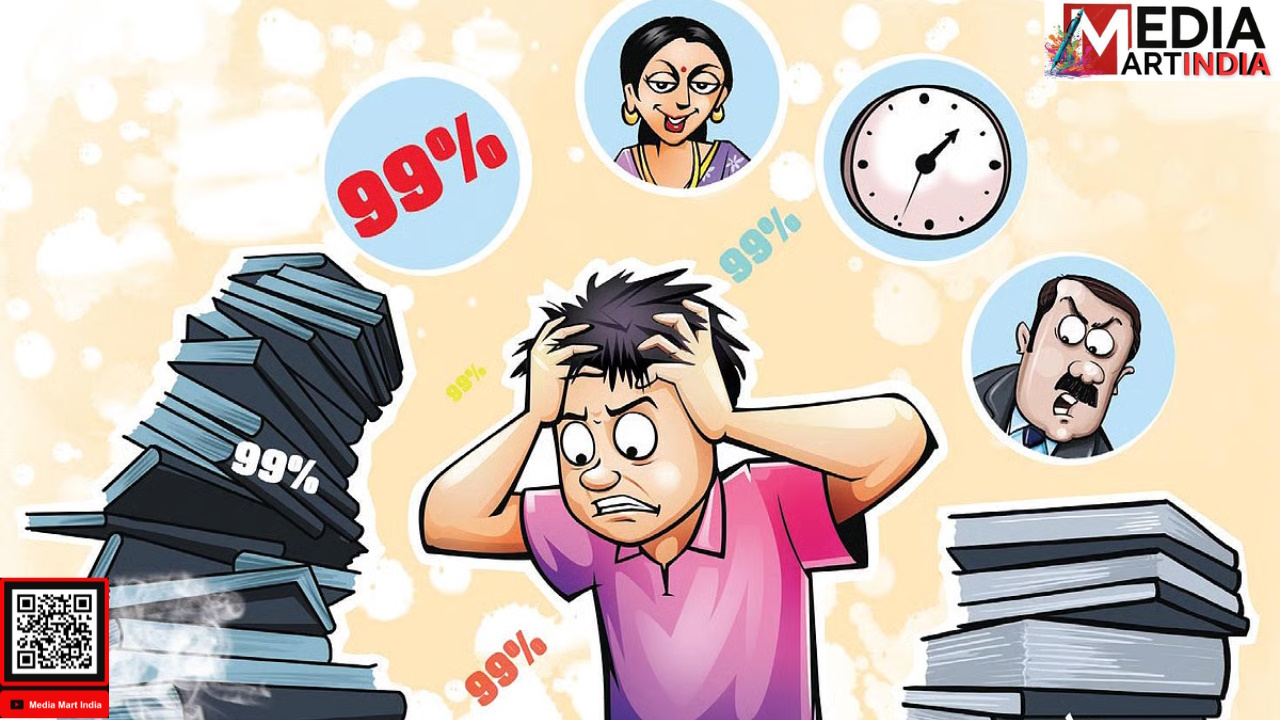
In India’s fast-changing urban environment, mental health concerns are increasingly showing up as persistent emotional distress, chronic stress and difficulties in daily functioning—rather than only as visible crises. According to internal mental health trends from Mpower, an initiative of the Aditya Birla Education Trust led by its Founder and Chairperson, Mrs. Neerja Birla, people are seeking support for a range of concerns linked to low mood, emotional distress, Chronic stress, anxiety, overwhelm and coping challenges—reflecting the growing need for accessible, stigma-free mental health support in the city.
This pattern also aligns with wider public health findings from Delhi, which indicate a significant burden of mental health conditions such as anxiety, depression and stress-related disorders. Mental health professionals note that in dense urban settings like Delhi, day-to-day stressors—including academic and work pressures, financial responsibilities, relationship strain, loneliness, disrupted sleep and limited downtime—can accumulate into sustained distress, especially among young people and working-age adults.

“What we’re seeing is that many people don’t come in with a label—they come in with exhaustion, emotional heaviness, irritability, poor sleep, and a sense of being overwhelmed,” said Parveen Shaikh, President, Mpower, an initiative of the Aditya Birla Education Trust. “Often they don’t know what to call it, but they know they are not coping the way they used to.”
Mpower’s programme data indicates that mental health support is being sought across age groups, with young people emerging as a particularly important cohort—especially in education-linked settings. In the North Zone (including Delhi), Mpower-supported interventions reached many beneficiaries through a mix of clinical services, helpline support and large-scale community engagement. Reported age-wise data reflects help-seeking across life stages, with meaningful engagement from adolescents (0–17 years), young adults (18–25 years) and working-age adults (26–49 years)—underscoring the need for early, prevention-led engagement formats that meet people where they are.
Key Observations (North Region): The 26–49 age group records the highest number of help-seeking cases, indicating that working-age adults are the most affected and actively reaching out for support.
Experts also highlight that emotional distress often overlaps with coping behaviours and functional challenges, and that many individuals delay seeking help due to stigma, fear of judgement, or discomfort with verbal expression. As the need grows, mental health practitioners are increasingly rethinking how mental health support is introduced—especially for first-time help seekers.
As part of this evolving approach, Mpower hosted a free Art Therapy workshop in Delhi, designed as a safe, non-verbal space for participants to express thoughts and emotions through creative mediums. It supports emotional release, self-awareness, and stress reduction, making it especially effective for individuals who find verbal expression challenging. The session encourages reflection, creativity, and emotional grounding in an inclusive and pressure-free environment.
“Sometimes the first step is not talking—it’s feeling safe enough to begin,” said a facilitator from the session. Creative formats like Art Therapy can help people regulate, express and reflect without pressure, and can open the door to further support when needed,” added Parveen Shaikh.
Mpower has completed 10 years of delivering quality and affordable mental health services across India, with interventions reaching millions through clinical and community-based models. The organisation notes that as mental health needs evolve, expanding access will require both structured clinical pathways and low-barrier wellbeing formats that make help-seeking feel normal, safe and stigma-free.