



This is not just a currency problem. It is a serious economic challenge facing India. The US dollar has become very strong, and the Indian rupee has fallen beyond 92 per dollar. This is not a normal decline. It has put heavy pressure on India’s economy. Imports have become more expensive. Foreign investors are pulling money out of the country. Inflation is rising, and ordinary people are suffering. The real question is not only why this happened, but who is responsible and what the government is doing about it.
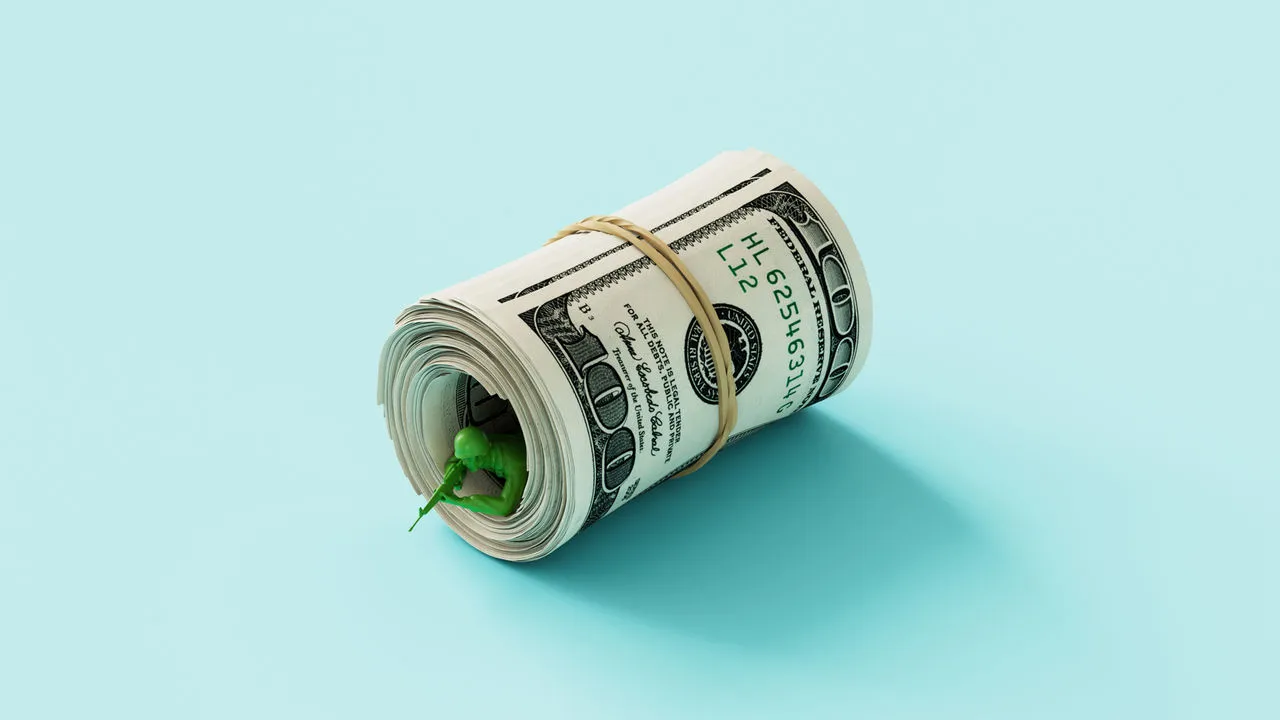
The situation became worse after the Trump administration imposed a 50 percent import tariff on Indian goods. This move showed that old partnerships no longer matter. The United States has started using the dollar as a tool of pressure. India is one of its targets. Because of this, foreign investors have lost confidence. Around 23 billion dollars have already left the Indian market. The stock market is unstable, businesses are under stress, and job creation has slowed down.
The biggest burden is on common people. Petrol and diesel prices are high. Cooking gas, medicines, mobile phones, and laptops are becoming unaffordable. For middle-class families, studying abroad is no longer even a dream. While the government talks about growth numbers, the reality on the ground is different. People’s savings are shrinking, and trust is weakening. The Reserve Bank of India is trying to control the situation, but it cannot fight alone. When the dollar keeps rising and foreign trade policy remains weak, even a strong central bank has limits. Former RBI Governor Raghuram Rajan had warned that such conditions damage confidence among both consumers and investors. Unfortunately, these warnings have not been taken seriously.
America’s 50 percent import tariff has directly hurt Indian industries. Steel, textiles, and pharmaceuticals have suffered the most. Exports are falling, factories are under pressure, and new jobs are not being created fast enough. At the same time, India has no choice but to buy oil and gas in dollars. This dependency has become a trap. This is not a healthy trade—it looks more like economic dependence.
The stock market reflects this fear.
The Sensex is falling, and investors are nervous. Even positive news about trade talks with Europe has failed to calm the markets. The government continues to talk about seven percent growth, but inflation has crossed six percent. Growth that exists only in reports and not in daily life feels meaningless to people.
So the question is clear: does India have another option?
The European Union could be one such option. Trade between India and Europe has already reached 120 billion euros. Talks on a Free Trade Agreement are in their final stage. If this deal is completed, it could benefit key sectors like automobiles, pharmaceuticals, information technology, and agriculture. Exports could rise, new jobs could be created, and India’s dependence on the US market could reduce. But this will only work if the government strongly protects Indian industries instead of relying only on diplomatic statements.
BRICS offers an even bigger opportunity. India will take over the BRICS presidency in 2026. This group represents almost half of the world’s population and more than one-third of global production. India has already started buying oil from Russia using the rupee. Trade in local currencies is increasing. BRICS countries are also discussing common payment systems and digital currencies to reduce their dependence on the dollar.
This is a moment where India can show leadership. But there is also a risk—China’s growing influence. If India moves forward without a clear plan, it may escape dollar dominance only to come under the shadow of the Chinese yuan. That is why India must act not just as a member of BRICS, but as a leader with a clear strategy.
The truth is uncomfortable but clear. The United States is no longer a fully reliable partner. The dollar-based global system is increasingly being used to pressure developing countries. If India truly wants to be strong, it must show courage in three areas: trade policy, currency policy, and diplomacy.
This is not the time for half decisions or delays. India must clearly say that it will not blindly follow any power. The choice is simple: remain tied to the dollar, or work with Europe and BRICS to trade with the world on fair and independent terms.
If the government still fails to take strong action, history will judge it harshly. Then “Amrit Kaal” will not be remembered as a golden era, but as a missed opportunity. This crisis is a warning—and nations that ignore warnings often pay a heavy price later.